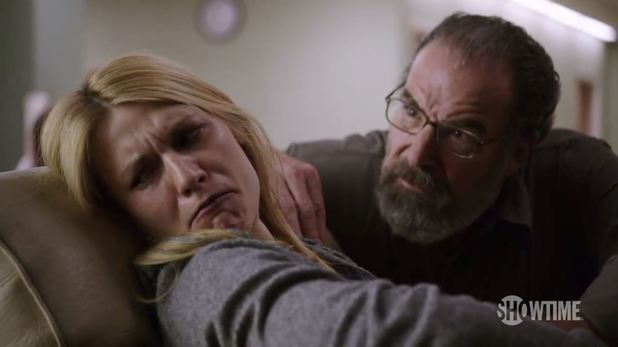
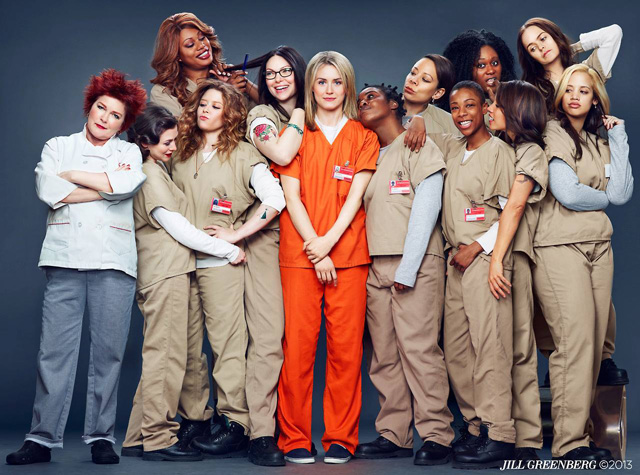
Thursday, March 5, 2015

The Hollowness of House of Cards

For the past two years I have written a continuous blog for House of Cards wherein I would add my thoughts and observations to an ongoing blog posts after finishing each episode. It seemed a sensible thing to do for a show released all at once. But after two seasons, I have come to realize I do not care much for House of Cards nor do I care much for dissecting every episode. Entertainment-wise, House of Cards gets me by. I'm always willing to watch the next installment, curious how things will unfold. But quality-wise the show is so incredibly uneven and frustratingly hollow. For every strong performance and impressive, meticulously blocked shot, there is something else completely inane or ridiculous happening. It is honestly an elegantly crafted show and I only wish the writing held up to its directing, performance, cinematography, costuming and stage dressings (for real...the furniture on this show is a freaking West Elm catalogue). Its incredibly unbalanced.

I find the writing so frustrating for a variety of reasons, but I think what I find so irritating is the hubris of the show. The show is convinced that what is unfolding on screen is so deep, artistic, and nuanced that its a wonder to behold. In actuality the show has never been as good as it presents itself. The plots have always been weak including Frank Underwood's rise to power. The characters too have been terribly written (minus Claire and Peter Russo). They do things so over the top you are often taken out of the moment of the show. Or they will have some new strange habit that you can tell the writers find interesting and different when in fact it almost never reveals any new depth to the character. It just reinforces what we already know or is just straight up strange, neither clever nor resonant. (And I have become even more convinced of this after reading the most pretentious and pompous interview I've ever laid eyes on with showrunner Beau Willimon. His responses and general attitude represent everything I find wrong with House of Cards).

Sometimes I feel I am overly harsh on this show. I mean, it's just a television show and Netflix's first attempt at prestige programming. I'm probably overly critical because I insisted on dissecting twenty-six separate episodes as some sort of writing exercise. Surely I would enjoy other shows like The Knick or Girls much less if I decided to do the same to them, right? So this year, for its third season, I decided not to do a continuous blog. I decided to just try to turn the inner critic off and enjoy the show at my leisure. But two episodes in I got so frustrated I couldn't help myself.

[Spoilers for the first two episodes of Season Three follow (which is all I have watched so far):]

My annoyance relates back to the issues I've already mentioned. Look, my problem with House of Cards is not that it tries too hard or is too ambitious--I happen to admire ambition (like Halt and Catch Fire is overly stylish and unsuccessfully ambitious but not gratingly so). What bothers me is that House of Cards is cocky and vacuous with nothing to support its self-aggrandizement. In Chapter Twenty-Seven, the third season premiere, we spent a good 30 minutes straight with Doug freaking Stamper. This guy was left for dead last season and I have to say I was incredibly disappointed to see him alive. Not because the character is a creep, but because he has never had an interesting story line. Nor do I have any desire to root for his rehabilitation and reintroduction into the main habitat of the show. And don't get me started on what this means about the never-ending Rachel subplot (a terribly gratuitous story line in every sense of the word that has been going on since Chapter One). We have moved on from much better characters and story-lines (Peter Russo or even Zoe Barnes), but why are we still plagued with Doug? What use is he? Doug Stamper is the herpes of House of Cards. And what is with the syringe of bourbon? Is that supposed to be some form of portion control to resist completely falling off the wagon? Because it's being presented as a weird character quirk that is supposed to be illuminating or intriguing but is neither of those things. Willimon and Co. are so bad at the "meaningful character quirks" thing it would almost be impressive if they weren't so asinine. Mad Men and Breaking Bad have had plenty of characters with weird quirks and predilections, but there has always been a real point to them. They were always successfully outrageous, ambiguous, revealing, and developed. This shit with the syringe or Claire's origami or Frank's Civil War dioramas, or Tusk's birds are all so heavy handed and ultimately pointless. I realize not every show can be Mad Men or Breaking Bad but not one of those quirks was successfully subtle or symbolic. They were all so overtly transparent only a baked high school student could possibly find them poignant.

Then in Chapter Twenty-Eight we get all this nonsense with egg symbolism without any real cohesion or ambiguity or poignant meaning. The black commemorative Easter Egg (literally) Claire carries to the press conference as if she's in mourning for her lost nomination (or perhaps her lost chances at having children? No of course not because if that was mentioned recently, the symbolism might not be transparent enough) and then passes it off to Frank who has an epiphany (?!) while trying to balance it. (Seriously). And then the episode ends with Claire cracking a couple of actual eggs into a frying pan. I get it. We all get it. The Underwoods spent the whole episode trying to crack their respective problems, trying to come up with ways to overcome their obstacles in such a way that all the King's horses and all the King's men can't put the obstructions back together again. And in the end, they have basically found solutions. Hence why Claire cracks two eggs and begins frying them. The episode ends before they're fully cooked (because that is what the rest of the season is for, people). And I am left with a mix of offense (at the condescension of this show) and awe (at the conceit of it).

And this is why I chose not to do an ongoing blog post throughout season three. Maybe I'll get frustrated enough to post an update here or there. Or heck, maybe I'll be pleasantly surprised by how good it gets and come back to eat my words (which I would love, by the way). But for right now, I just don't like House of Cards enough to get into the minutiae (like Windows phones or Doug's preference for mediocre Oreos). I just need to sit back and enjoy House of Cards for what it is. Because visually it's great. The performances are strong. I'm a fan of the Fincher-esque mood of it. And Claire, HBIC, is always compelling. But the show, like Frank, is struggling to find its legacy (and if it wasn't for Claire Underwood, both would be a lot less interesting). I don't fault it for that. But I can continually wish that both the show and Frank actually had something of substance to say. That they weren't so hung up on trying to appear confident and poised and instead focused on some ideology or morality or philosophy. Because themes like those get the best responses out of me and out of a general audience. If House of Cards wants to be one of the best, it has got to actually say something. I keep eating what House of Cards is serving, but I'm continually left unsatisfied. There are only so many more empty calories I can stomach.

Monday, December 29, 2014

2014 Honorable Mentions

Since we are living in an era of so much superb television, I decided to once again make a companion post to my Best Of list. Some of the following shows didn't make the Best Of cut for various reasons, but if you ask me, they are all worth checking out:

Boardwalk Empire- A shortened final season of this show brought most of the characters' stories to a satisfying close without sacrificing quality or craft. The use of flashbacks could be tiresome, but were also powerful and crucial to the show's thematic finale. The quality of Boardwalk Empire got much better towards the end of its run and I for one will miss its impeccably tailored costumes and send up to Prohibition Era accents and culture.

The Comeback- Oh my goodness this season of The Comeback was so darn good that if I hadn't made my Best Of list before the final episode aired, it certainly would have been included. I loved everything about this nine-years-later second season. Like its first season, The Comeback manages to capture the television landscape of its time while commenting on the price of fame and the treatment of women in Hollywood in often poignant and distressing ways. The meta-ness of the show never ceases to surprise me and Lisa Kudrow is doing amazing work. Lisa Kudrow for all the awards!

Fargo- Fargo was all at once an homage to the Coen Brothers' filmography and something of its own entirely, toeing that line expertly with craft and quirk. And it did it all with a smirk on its face. I think what held it back was it's pacing as it took me a few episodes to actually get into the story. But once I did, I enjoyed it as much as the best shows on TV. A time-jump mid way through the season helped on every level. And the characters kept you guessing as they embraced the sometimes heightened reality of the world they lived in. I need someone to give Allison Tolman a new role ASAP.

Homeland- Oh, what to say about the see-saw that is Showtime's Homeland? It will never live up to its zany first season, but the reset of this most recent season was the best the show has been in a very long time (since the second season episode, "Q & A" if you ask me). Yes the show remains uneven: One second I'm thrilled to the edge of my seat and the next rolling my eyes at the improbability and 24-tinted plot points. But I very much enjoyed these most recent episodes, finger-guns and all.

The Mindy Project- The Mindy Project tends to get a lot of hate, especially from the males of the world (which I guess I can understand, although I do believe there's humor for everyone). The first season and a half of the show was okay, yet always comedic. But the later half of its second season and the first half of its third have been firing on all cylinders. The ensemble work is spot on while the one-liners and wordplay keep me laughing for days.

Orange is the New Black- I didn't love OITNB's second season as much as its first and I think it came down to the season's villain. Vee was just such a cartoon villain with no real motivation behind her lust for power/control and her subsequent manipulation over the entire social system. I guess later episodes made her out to simply be a psychopathic egomaniac, but that felt like a disservice to a show that normally has fantastic character work. Aside from Vee, I have no complaints about the season (except for Larry continuing to be The Worst).

Orphan Black- Orphan Black keeps so many balls in the air and while it could be more successful at it, its impressive all the same. But I'm just waiting for it all to fall apart. Tatiana Maslany carries the show on her shoulders by playing all the major characters with such nuance that you can always tell who she is (even when she's one character pretending to be another character). The science of the show can be wonky, but that is what sci-fi is all about. And the end of one episode in particular was so beautifully thrilling that I think I stopped breathing.

Parks and Recreation- Parks and Rec is a forever favorite of mine. The show hasn't gotten stale per say, but it has definitely plateaued in its humor, momentum, and general story. However, the final minutes of this year's season finale was a much needed shot of adrenaline and humor. Jumping ahead three years avoids bogging the show down with pregnancy (again) and other story lines the show has already explored. For the first time in a while, I'm very much looking forward to next season. Filling in the gaps between timelines will hopefully be hilariously fruitful.

Silicon Valley- I found the pilot of this new HBO comedy lukewarm, but as the show found its characters and general story, the show gained a lot of comedic momentum. It all lead to a season finale that happened to be one of the funniest episodes of television I've seen in a while. The show is smart, silly, and cutting. One character in particular, Peter Gregory, was a standout of amusing eccentricity, which only makes the passing of actor Christopher Evan Welch, that more tragic.

Veep- I simply love Veep. I think Julia Louis Dreyfus, Matt Walsh, Tony Hale, and Timothy Simons are all hilarious people. I'm a fan of politics. I'm a big fan of creative cursing. As long as this show is on, I'll be watching it. And like Parks and Rec, I suspect it will be a forever favorite.


Tuesday, December 16, 2014

D's Best of 2014

At this point, most of my posts start off with an apology for infrequent updates. And I know no one is coming here for excuses. The fact of the matter is that the summer months come, my television habit dwindles, my writing suffers, and its hard to get back in the swing of things. Next thing I know its December. And December comes with a gimmie: do a Best Of list. So here we go.

As I’ve said in years past, Best Of lists are arbitrary and kind of silly, but I still enjoy creating ones as an exercise in writing and to reflect on what I enjoyed this past year. It’s also interesting to look at my past lists and see how my tastes and affection for certain shows have changed over time. This particular "list" isn't ranked per-say. But it does flow from favorites at the tops to lesser favorites towards the bottom. Whatever that means.

That being said, without much fanfare, I present to you: 

D’S BEST OF 2014


BROAD CITY
Executive Produced by Amy Poehler with awesome guest stars and a killer supporting cast, you better believe Broad City is hilarious and perfect on every level. I rarely rewatch seasons of shows (and if I do I’m more likely to do it years after first seeing it). But I’ve rewatched Broad City’s first season at least four times this year alone. And usually it’s because I feel such an intense need to share it with others, that I’ll force them to watch it and next thing I know we’ve finished the season together. Abbi and Ilana are the new Lucy/Ethel, Mary/Rhoda, Tina/Amy and I can’t wait for them to breakthrough. And while I find Broad City way more relatable than Girls, listen to me when I say this show is absolutely for the boys as well. Come for the 90s R&B, stay for Hannibal Buress.


THE AMERICANS
The Americans is one of the best shows on television and the fact that it gets no awards love just goes to show how useless awards are. The acting, directing, writing, and feel of this show is all so damn engaging and superb. I loved The Americans its first season out, but its sophomore season was easily just as good and at times even better than the first. While the first season was a take on marriage and partnership amidst the Cold War and a world of espionage, the second season was about commitment, parenting, trauma, and coming of age. The season finale was a gut-punch of a twist on top of a harrowing season of intensity and heartbreak. If any show deserves recognition and viewership, it is certainly The Americans. Screw the nonbelievers. Come for the wigs, stay for the 69.


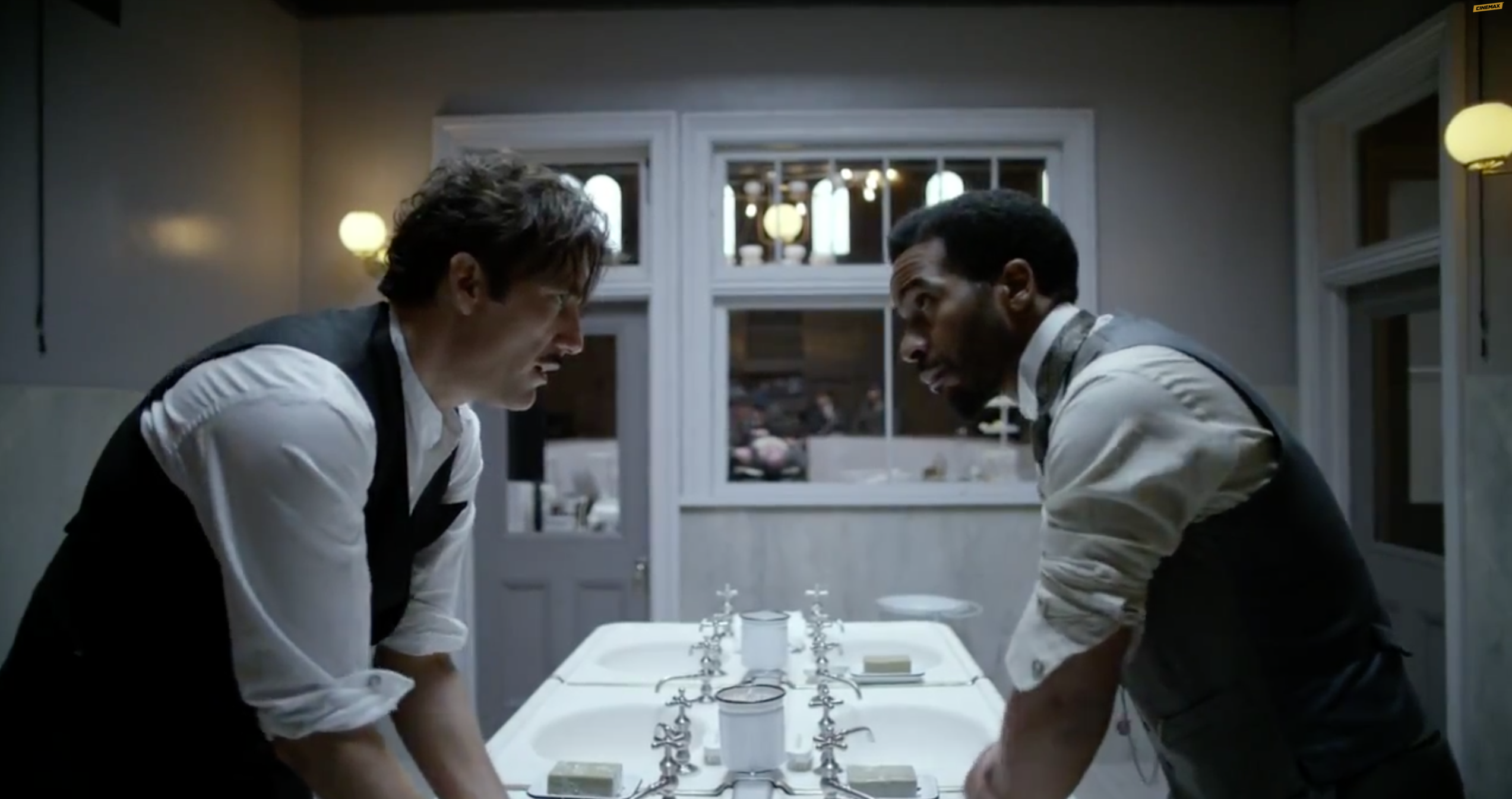
THE KNICK

Let me start off by saying The Knick’s writing is certainly lacking. While many people find it hard to look past the clunky dialogue, I never took much issue with it because everything else about The Knick is so damn good. Stephen Soderberg not only directed every episode (a la True Detective’s Cary Fukunaga), but he is the show's cinematographer, camera operator, and editor. On every single episode. It’s incredible because not only is it such an impressive work load, but because it is all so completely beautiful and subtle. There are dozens of “stealth-oners” (AKA one take tracking shots that are far less obvious than ones on showier programs) that had me writhing in delight. Every episode was lit and blocked to perfection. The camera took its time to focus on characters without cutting away to dozens of other angles. And the Cliff Martinez score pulsed through the season, giving The Knick its beating heart. So yes, while I’m normally the first person to point out shoddy writing, when it comes to The Knick it almost doesn’t even matter. The show could be in Dothraki and it’d still be great. Come for the liquid cocaine, stay for the liquid cocaine.


MAD MEN 
I’m sure at this point people are tired of hearing how good Mad Men is. But fuck them. Mad Men is fantastic. For the first half of its final season, Mad Men definitely hasn’t let up. The 1960s are coming to a close, times are changing, and while some are thriving in the times, others are struggling to keep their heads afloat. While Mad Men is certainly artistic, incredibly well written, and detailed at every stage, what keeps me coming back are the characters and the dynamics they’ve created. My favorite episodes of the series tend to involve Don and Peggy and this past season had plenty more of those little moments. From a dance, to a passing of the torch, to an Edward Hopper-esque pan-out of Don, Peggy, and Pete eating dinner together, I grew even more attached to these characters and their pseudo-family. You come to Mad Men for those moments, but you stay for the severed nipple.


LOUIE
What I love about Louie is the artistic free-form the show takes. From a mini-movie, to a serialized six-part episode, to a one-and-done candid plea from a full-figured gal, Louie has so much to say and so many different ways to say it. When I turn on Louie, I love that I don’t know what I’m going to get, that I don’t know which reality we’re living in, which characters are going to get a poignant or hilarious monologue, or where the episode is going to take me. A look at Louie’s adolescence felt like an episode of Freaks and Geeks in all the right ways. An episode where Louie bags a model is closely followed by an episode where Louie rejects a hilarious/sweet overweight waitress which manages to say tons about society and double-standards. The end of the season had even more to say on the matter as Louie attempted to force himself on a familiar woman. Serialization is more of a suggestion than a reality when it comes to Louie and it may seem like a season isn’t leading anywhere, but by the end of this latest run we explored so much about Louie, Louis CK, and the absurdity of love and humanity. This past season explored Louie’s relationships with all the women in his life (from his daughters to his mother to his Hungarian neighbor) and how those relationships reflect back on him. Which was ultimately a commentary on gender and society. I am continuously amazed at Louis CK’s pathos and diminished ego. Come for the model, stay for the fat lady.


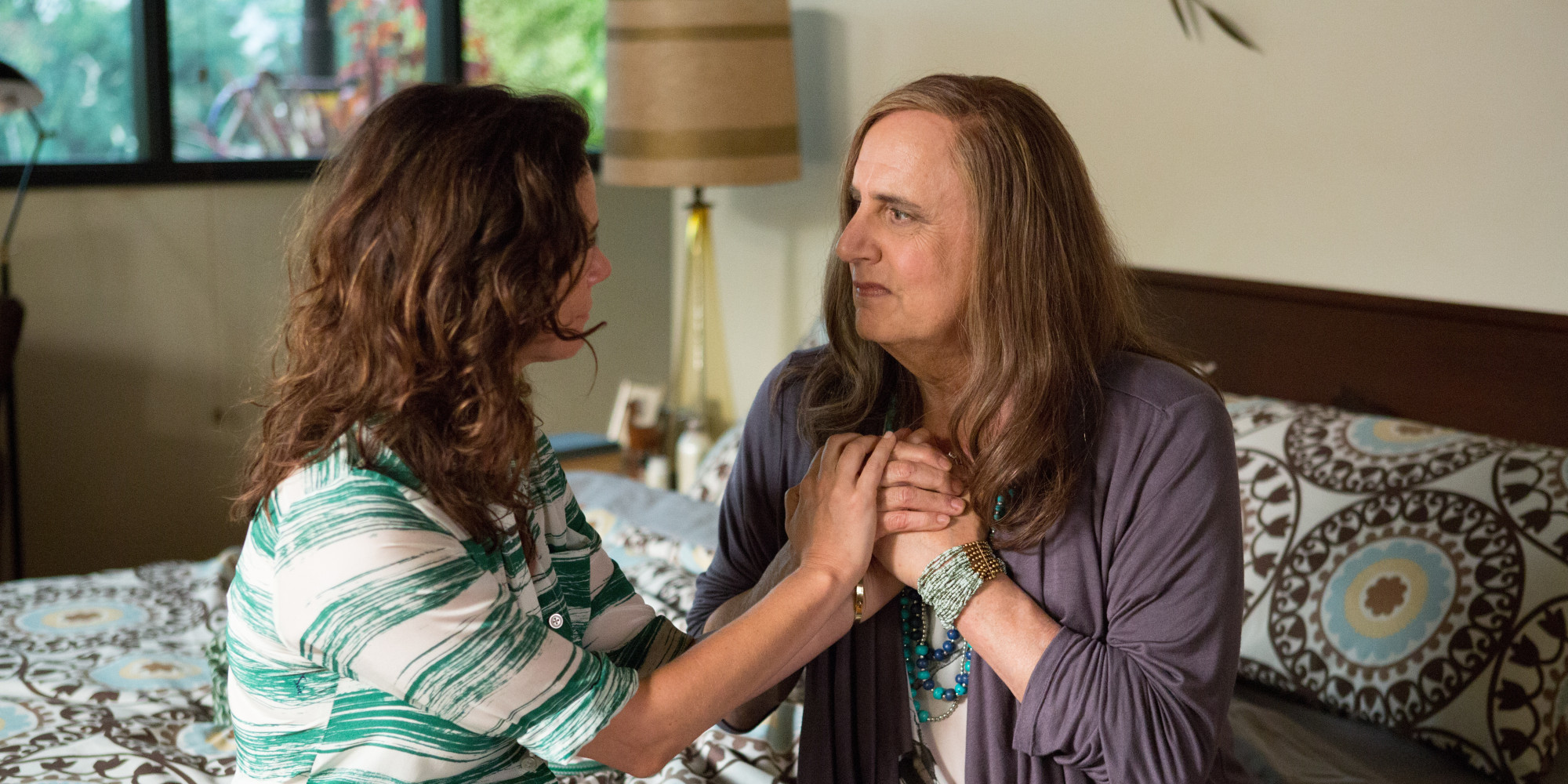
TRANSPARENT 
Somehow Transparent is full of the most selfish characters you will ever encounter, yet you can’t help but engage in their story. What I appreciated about this show was how it portrayed the blatant messiness of families—something creator Jill Soloway picked up from the Six Feet Under writer’s room, no doubt. Inspired by her own father coming out and transitioning to a woman, Soloway wrote this show about a family with fluid sexuality/gender--and oftentimes a destructive relationship to sex--as they reel in the aftermath of their own father becoming a woman. Much of it was hard to watch and characters were hard to root for, yet a yearning for homecoming hung over the season. And I’m curious to see how they all grow together. Come for Jeffrey Tambor’s amazing performance, stay for Maura's outfits.


GAME OF THRONES
I hesitate to keep Game of Thrones on this list simply because of its distasteful use of rape and sexual peril. But then I’d be doing a disservice to a show that only manages to get better and better. Having read the books, I know what to expect from upcoming episodes. But David Benioff and DB Weiss have certainly diverged from the books by tweaking one or two narratives while completely fabricating story lines. It’s not always successful (Craster’s Keep, anyone?), but it keeps this book reader on her toes. From very well-choreographed battle scenes to the transformation of the remaining Stark children, the show knows how to land every moment, big or small. It manages to bring one-dimensional book characters to life on the screen as they crackle with charisma (only to die horrible deaths…valar marghulis). Come for the nudes, stay for the Dinklage.


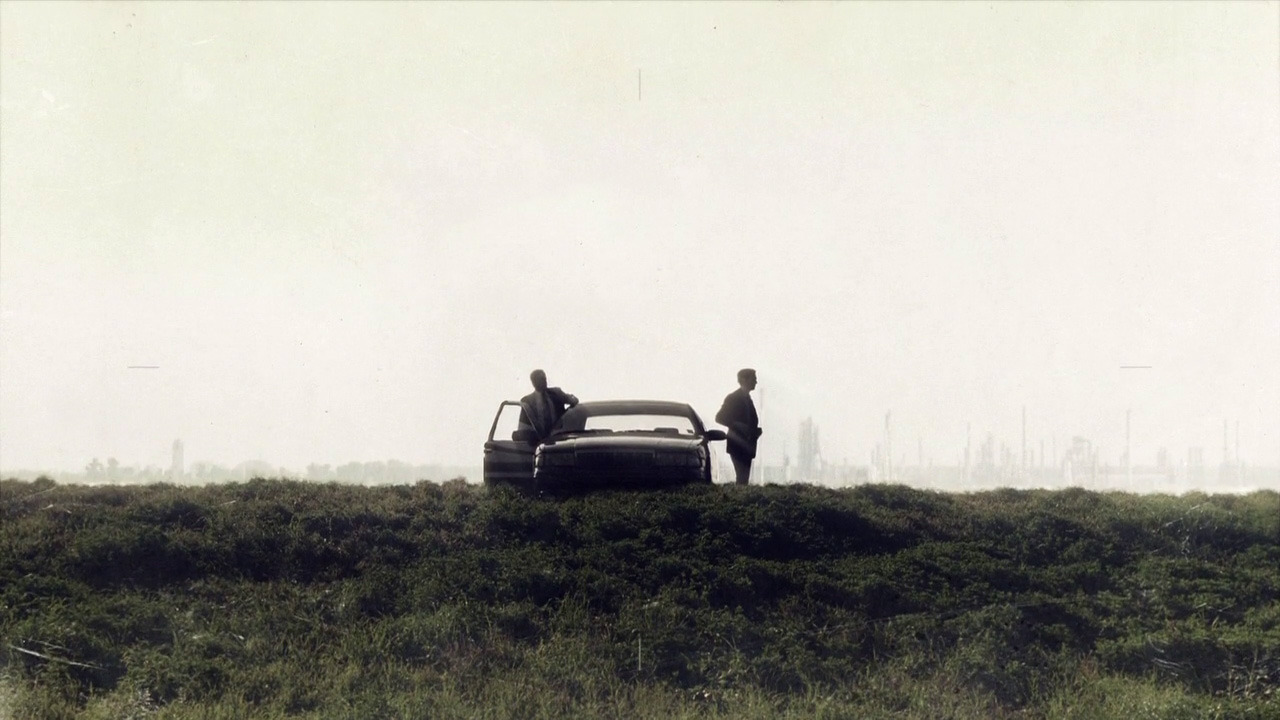
TRUE DETECTIVE
Something about True Detective almost hasn’t aged well with me since it aired earlier this year. At the time the mystery and craft of the show pulled me in and was incredibly engaging, atmospheric, beautiful in its back-swampy ways, and thoughtful in its emotional and spiritual journey. But months later, after its effects have worn off, I find myself slightly annoyed at is pretentions, its rote philosophical pontificating, its disregard of female characters, and its highly praised yet unnecessary and overworked six-minute long tracking shot. (Look, I love me an impressive tracking shot, and True Detective’s was fantastic. But think about that episode and what anything in that shot had to do with anything whatsoever. Cut those last six minutes out of the show, and it would have no effect on the story or season. Which is certainly a waste in its showy, self-aggrandizing presentation.) That being said, True Detective deserves a place on this list and all/any lists due to its solid direction, solid acting, and what it has to say about life and existence. Come for Rust Cohle, stay for The Yellow King.

Thursday, May 22, 2014

Some Brief Thoughts On The Americans

“Echo” might be the most appropriate title for an episode of television in quite some time. Not only because much of The American’s finale revolved around Echo—the stealth computer technology developed by the Americans and that the Soviets are desperate to acquire—but because so many little details and lines of dialogue reverberated throughout the entire second season to reemerge at intermittent volumes in this final hour. A lot happened in this episode—heck, a lot happened this season—with various plots intertwining and coming to a head in spectacularly assured and quiet fashion.

In the wake of the finale, I immediately thought back to a moment from the first episode of the season: when Philip tells Emmett, “We never use our kids,” before he reluctantly agrees to use his own son Henry as an identifier to quickly and harmlessly pass along information (unbeknownst to Henry, of course). Compare that to the final scene of “Echo” and the look on Philip’s face when he realizes Elizabeth is actually considering bringing their eldest daughter Paige into the espionage fold at the Center’s request. “It would destroy her,” he says. “To be like us?” Elizabeth asks before sitting down to family dinner. And in that ending you can’t help but think back to everything we know about Paige. The first season ended with her snooping through the basement, convinced her parents were hiding something. This season started with her continuing this detective work and taking secret trips to Pennsylvania to further investigate her parents, only to eventually give up and rebelliously join a church. As Elizabeth mentions, Paige has been yearning for something to dedicate her life to. Paige explicitly says she is attracted to the church because Jesus gave his life for something greater than himself, and that it inspires her. This chick has passion and you can almost hear Paige’s conviction echoing in the silences between Philip and Elizabeth at episode’s end.

Now also take into account what Philip and Elizabeth saw happen to Jared within this same episode. As we found out in this finale, Jared was contacted by the Center, began training behind his parents' backs, and when his parents, Emmett and Leanne, found out and disapproved, Jared killed them along with his younger sister...all for “the cause.” We spent an entire season trying to find Emmett and Leanne’s killer but it was their poor surviving son, Jared all along. Bleeding from the neck of a gunshot wound he spills his guts in a very well-acted yet frustratingly long moment. But the truth he reveals and the worst case scenario he represents for the path Paige could take rings loudly in every interaction Philip and Elizabeth have thereafter. And I’d hate to admit it, but Elizabeth may have a point. We saw what sacrificing for the greater good did to Jared, turning him into a ruthless and stoic monster with nothing to anchor him as his parents rejected this chosen path. But if Elizabeth and Philip nurtured Paige, their own daughter who is relentlessly looking for a purpose and something larger then herself to commit to, they will not only be training her for espionage, but teaching her how to survive on her own if/when the inevitable arrives.

I could probably write a whole essay about how almost every poignant moment this season succeeded because of the echoes of past events and realities. From Elizabeth using the details of her own rape as a young cadet to wholly manipulate a Navy seaman in Virginia Beach, to Philip’s growing existential despair bleeding into his treatment of Martha, the Jennings are such calculated manipulators because they use honest details to provoke dishonest emotions. They're method actors who use their marks to work through their own personal and marital issues, even if they don't realize they're doing it. The audience sees all this in the space between the Jennings reality and fabrication. Which further relays how the best thing about The Americans, and “Echo” in particular, is everything that is left unsaid: the realities and realizations that the audience is left to connect on their own during the many silences and 80s montages.

Every action has a consequence and oftentimes we are simply waiting for the other shoe to drop. Like Elizabeth said last week, “It’s coming.” And she’s definitely not referring to winter (we’re in the midst of a Cold War filmed during the Polar Vortex of 2014, winter has already arrived), but simply the inevitable. And not just the inevitable conclusion to a life lived as a spy on foreign soil, but the inevitable conclusion to an unsustainable life. (Which would naturally bring me to the Stan/Nina/Oleg storyline and all of its silent goodbyes that echoed of past promises and impossible futures, but that could be a whole separate essay as well). Philip knows their reckoning is inevitable and that his current situation is unsustainable as much as Elizabeth. He has struggled to psychologically and emotionally handle the consequences of his actions in the wake of a rising kill count and dwindling belief in his cause. And he never says it but we see it in his demeanor, his after hours visit to Paige's church, and how he takes it all out on Poor Martha.

Yes, I found flaws in this final episode of the season. The anticlimactic end to Larrick as well as Jared’s  exposition laden death scene come to mind. But to be honest, I could nitpick any episode of television to death. And when I think back to what this finale says about the season as a whole and how assuredly it is put together, it’s easy to look past those lesser moments in favor of the larger picture. To make sacrifices for the greater good. 

And dammit, this show is so much greater than good. It's by far one of the best things on television.

Tuesday, April 29, 2014

More Like "Game of Rape"

As you may have heard, last week on Game of Thrones twincest took a dark turn: Jamie Lannister raped his sister over the corpse of their dead son in the Sept of Baelor. The weird thing is that the scene plays out almost the exact same way in the A Song of Ice and Fire books with one notable difference: the rape. It was already a disturbing scene and for whatever reason the show's writers chose to add a rape element to the proceedings. While this creative decision did not really bother me, what did bother me is that nearly everyone involved with the scene had no idea that they were portraying a rape (I say "nearly everyone" because we have yet to hear from the one female involved: Lena Headey who plays Cersei Lannister). And regardless of what all these men may believe, regardless of what they intended, what the audience got was a rape scene. If they were trying to evoke the same sense of ambiguity that happens in the book, well then they failed miserably. Because oopsy-daisy, that was a clear cut rape. And it wasn't the first time the writers have interpreted the book with a twist of sexual assault.

The very first episode of Game of Thrones, Daenerys and Khal Drogo consummate their new marriage with Drogo forcing himself on Daenerys. Meanwhile, in the books, Drogo makes a point to wait for Dany to consent. (Yes there was some seductive manipulation of a 13 year old, but at least he waited for a "yes.") The show version of Daenerys fell in love with her brute of a rapist while the book version of Daenerys fell in love with her affectionate husband. That is a huge difference. A difference that could greatly inform how we perceive a character's development. But it has been largely forgotten.

Back to last week's accidental rape. I put off writing about this particular change hoping the show's creative team would realize they at least introduced a complication to the lives of Cersei and Jamie (And according to the team's statements over the past week, they did intend the scene to at least play ambiguously...or so they claim). I thought perhaps they would deal with the fallout in the weeks to come. I waited a week and absolutely nothing was addressed or even seems like it will be. Instead Jamie was portrayed in the best possible light. He was sympathetic, honorable, and showed positive growth. And because this is where Jamie has been headed since last season, I thought that Benioff and Weiss added a darker element to the sept scene to possibly complicate his redemption arc. But that's not the case. (Nor have we seen how Jamie's sexual assault could exacerbate Cersei's downward spiral.) It seems like, to me, it has already been forgotten. They simply chose to punch up a scene with a little harmless rape. But could we have at least acknowledged this hurdle to Jamie's growth? At the very least, could we have not made him the good guy at the end of his latest scene with Cersei?

And as if Cersei/Jamie and Daenerys/Drogo weren't enough, this Sunday's episode also diverged greatly from the books. Most notably the events happening with the Night's Watch and the mutineers at Craster's Keep. And what was happening at Craster's? Some serial rape. Listen, I know that the Night's Watch is largely made up of thieves and rapists. We all know it. My issue with the scene is related to my issues with the Cersei/Jamie scene last week: that these circumstances were disturbing enough without that added explicitness of sexual assault. I didn't need to see a brother of the Night's Watch going to town on some poor girl throughout the entire duration of the scene. Meera witnessing a brother drag a shrieking girl through the snow was plenty. Drinking out of Jeor Mormont's skull was plenty. "Fuck them till their dead" was plenty. We know these poor girls were raped repeatedly by Craster and they are now being raped repeatedly by the Night's Watch. It's an awful thing that was treated cheaply for some background scenery. This was a gratuitous and cavalier use of rape by the show's writers after a whole week of debating whether they can even recognize rape when they see it. It was distasteful, disturbing, and unnecessarily explicit. The show filmed and scripted a gang rape with the same nonchalance they do a brothel scene. But someone should let Benioff and Weiss know the two aren't interchangeable.

Whether it is excessive sex or violence, Game of Thrones thrives in excess period. Audiences have come to expect a certain degree of explicitness from their HBO fair, and from Game of Thrones especially. Ask someone who's never watched the show what they know about Game of Thrones and they'd probably say that it is violent and pornographic (and that there are dragons). But lately the show has been pushing the envelope at the expense of character and story. And the scene at Craster's was exactly that. It was the show trying to outdo itself and it was beyond overindulgent.

Let us not forget the whole mutineer plot and rape scene were made up for the show. In a similar way to how Cersei and Jamie's sept moment was changed for the show. Likewise Dany and Drogo. George RR Martin never shied away from rape in the books, but he never needed to be explicit about it either. We got the point through subtext. GRRM always made it clear that women simply are not safe in the world he created. That Cersei was broken and had turned to alcoholism and bitterness to cope with the regularity at which Robert raped her. Sansa has had more than one near rape experience. As has Brienne. GRRM was never cavalier about any of this. He made it a point to color his world as depraved, chaotic, and dark through the overwhelming presence of violence, death, and loss of innocence. If anything, the threat of sexual assault added weight and consequence to his world. But what we got on Game of Thrones this past Sunday was cheap. It was distasteful. And most disturbing of all, it made a game of rape.

Wednesday, April 2, 2014

About That How I Met Your Mother Ending

NOTE: The following post contains SPOILERS concerning Monday night's series finale of How I Met Your Mother.


Usually I think people put too much stake in endings. But when the ending is the title of your freaking show, then you should probably get it right.

Here's my issue with the How I Met Your Mother finale: none of it felt earned. The scene with Ted and his kids was filmed all the way back in season two. So the writers knew how they wanted HIMYM to end and orchestrated everything to get to it. And while I personally have nothing against Ted and Robin, that entire ending was a slap in the face. Show runners Craig Thomas and Carter Bays literally had years to build to the Ted/Robin ending in a satisfying way. But instead they wasted our time for the sake of misdirection and "classic" HIMYM hijinks.

Knowing since the pilot that Robin and Ted would not--and premise-wise, could not--be together, the show instead tried making Robin and Barney into a plausible couple. We spent a large part of the later seasons cultivating this relationship. The entire final season revolves around their wedding weekend. And whether you bought the pairing as realistic or not, it was pretty clear the show was committed to this coupling, so the audience had no choice but to accept it as fact. The wedding was literally seasons in the making, yet the finale tore it apart as quickly as you can say, "We got a divorce." I was dumbfounded at the audacity of it all.

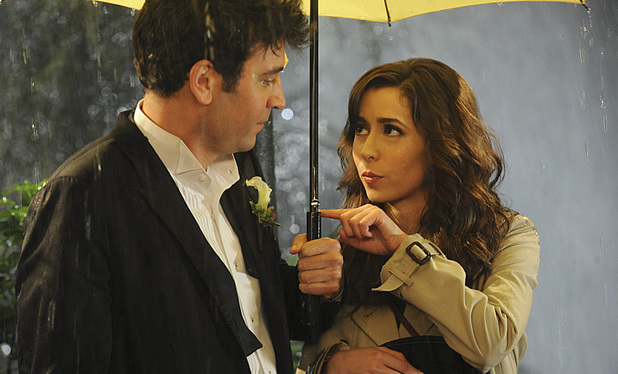
Similarly, we spent this entire final season getting to know The Mother, Tracy. She became a character. She became a pretty great character. Someone perfect for Ted. And someone his friends and fans were happy to see him end up with. Everything involving Ted and Tracy were the best parts of the finale, particularly the titular meeting under the yellow umbrella (which cast a great, warm glow over the couple). Towards the end of the season it was implied The Mother would be sick in the future and we all began speculating that she might end up dying. Because why else would Ted be telling the story of how they met? But what was really concerning was how she was only in a ninth of the story Ted was telling his kids. If she was in fact dead in 2030, how horrible is it that Ted spent all that time talking about Robin and every other random woman he dated/loved/proposed to? When asked, Thomas and Bays, as well as the mother herself--actress Cristin Milioti--assured fans this was not the case. But it was the case.

I'm actually not upset that The Mother dies. And I'm not upset that post-divorce Robin and widow Ted get together. And I realize the show was really never about The Mother. But what does upset me is that we spent an entire season getting to know The Mother as a great character. And her death gets glossed over just like Robin and Barney's divorce. The Mother's death gets sidelined. And the tone immediately after in the scene between Ted and his kids, is just straight up weird. They gleefully encourage their father to call Aunt Robin and ask her out. I realize in the world of the show it has been six years since Tracy's death. But in the real world of me watching this show, her body is still warm. Hot even. The transition was abrupt. And the subsequent scene of older Ted recreating the blue French horn moment for older Robin felt cheap, shallow, and cold. And its not because Ted shouldn't be with Robin. It's because it all happened way too quickly and awkwardly.

No one told the writers they had to waste an entire season on Robin and Barney's wedding. I don't understand why that couldn't have been half the season. Because everything that happened in the hour-long finale could have easily filled the other half. Take your time. It's already been nine seasons, we're in no rush. Spend a couple of episodes on Robin and Barney's marital issues, on Barney's regressive man-boyhood and fatherhood, on Marshall and Lily having another baby and moving out of the apartment, on The Mother getting sick, and on saying goodbye to Tracy. One thing the finale did really well was make me believe in Ted's love for his wife. And I would have loved to see more of that. Because she deserved a goodbye and Ted's character deserved time to grieve. And we should have seen Ted care of her and later his melancholic widower years. And I would have even liked to see Robin reenter Ted's life to help him through his grief. So that the audience could see what Ted's kids see. Because Ted wasn't just telling this story to his kids, he was telling it to all of us. We might as well have been on the couch right along next to them. And so we might as well have been nodding along when they encouraged Ted to move on.

If we saw all that. If we took the time to build towards it. Then maybe when we realized what the last minutes of the finale were doing, we would have smirked rather than cringed. We wouldn't have felt like the love of Ted's life, the mother of his children, was being sidelined. Maybe we would have realized Ted's heart was big enough for two big loves. Tracy's was. And our hearts would have warmed because maybe we would have been rooting for this ending to happen. Because it would have felt earned. We would have been okay with it. And it would have been legen...wait for it...dary(ish). But we got none of that. The asinine structure failed us. We got awkward pacing, frustration, and disappointment. If things were more carefully structured we could have gotten an "I got off the plane" moment instead of HIMYM's version of a sad trombone: the blue French horn.

Friday, March 14, 2014

Calm Down About The True Detective Finale

First of all, the finale wasn't bad. Second of all, plot-wise, the show was never tight enough to imply some mind-blowing ending. It had a lot of things going for it, but it was never that good. Listen, I always appreciate a rich, complex show--something fans can pore over and dissect. And True Detective had lots of details to pore through, but what happened in its eight episodes that made you think it would be anything more than it let on? Because of the fact that there were so many details of the Dora Lang/Yellow King case? It was a case spanning seventeen years, it involved lots of people and lots of victims, of course there are going to be files upon files. But what made anyone think every single piece would be relevant? That doesn't happen in real life. And it certainly didn't happen on True Detective at any point to warrant this expectation. The show was only eight episodes but there was never once a moment where dozens of things came together to blow our minds at the sheer ambition and genius of it all. There was never a point where the show proved capable of bringing multiple details together to make us think everything was linked and important. That's not to say it wasn't a rich show. Every scene was important and heavy, leaving us with much to absorb...but it was never about the crime. It was always about the detectives.

Evidently, I really have no idea why everyone was raising the stakes of the final episode because the show was clearly about Rust and Marty all along. It was about Rust's despair as he filled his heart with nihilism and philosophical thought to make sense of the trauma in his life. But he never really had a unique philosophy of his own. I was always under the impression that when he went off on his spiral loops of pontification, that he was working something out for himself. That he was obviously well read and that he had made sense of these ideas, but that he was still applying them to his life, still trying to build a personal outlook of his own as he drowned in a half empty glass of pessimism. Like an eye exam, he was sliding one lens after the next over his eyes, comparing them and going back and forth until he found a flat circle suitable enough to perceive the cruel world around him. We all try to make sense of our lives, but Rust lived through a unique trauma of his own. And lacking the constitution for suicide, he had to learn to carry on living. Meanwhile Marty was living his life like most of us live our lives, delusional and hypocritical, but within a certain set of standards and expectations. Being a man meant boozing and banging, but being a family man meant loving your wife and children. We all contain multitudes, but sometimes those 'tudes aren't in sync. Marty thought he had a grasp on what his life was supposed to be, but his actions told a different story.

Thus, going into Sunday's episode I wasn't expecting an amazing Yellow King realization, I was expecting some character work. And I honestly didn't even care too much about the crime because the show never asked us to care. We didn't know anything about Dora Lang to provoke our sympathies or need for justice. The other victims were just names with some blurry circumstances tacked on. Terrible things were done to them, a monster was absolutely on the loose and needed to be caught, but from an emotional standpoint I wasn't too invested in justice for the victims (which some people have fairly consider a drawback of the show). I was invested in Rust getting his man, but not because of Justice. Because Rust needed it to happen so he could move on. And that was essentially what we got, only with a bit of the unexpected. Rust ended the show an optimist, something I honestly never saw coming. Which is a twist in itself, but also a realization and a character journey I absolutely believed. For anyone who thought the answers in the finale were weak and that there was no payoff, I argue that there was a payoff. You were just looking at the wrong clues.

In terms of overall general impressions of True Detective, my biggest criticism would be that it meandered a lot in plot threads that seemed important but led nowhere. For example, I really loved the six minute tracking shot as much as the next person, but it really had nothing to do with anything. It had such a minuscule impact on the plot that putting that much effort into that scene is actually a bit of overkill. But the technique was absolutely impressive and it definitely succeeded in producing one hell of an astoundingly tense sequence. And in a similar vein, I loved the craft and quality of this show. I loved the direction by Cary Fukunaga, who directed a great and underrated adaptation of Jane Eyre in 2011. The lead performances were amazing and we'll definitely be seeing more of the Matthew/Woody bromance come award season. The set pieces, locations, and art direction were so lush that you felt immersed in this secluded world. And what really made it all was the cinematography--cinematographer Adam Arkapaw also worked on last year's Top of the Lake, which I loved for similar reasons but also because it was really good...like probably better than True Detective (depending on your taste, of course) and it's a damn shame it didn't get the same sort of attention. But I digress.

I realize there are a lot of issues with True Detective's portrayal of women. Some of it I agree with and some of it I don't. The lack of attention on women is actually why I lacked interest in the case itself. But there was also criticism concerning the scene where Maggie and the girls visit Marty in the hospital. Many saw this moment as redemption for a schmuck of a character. I didn't see it that way. I mean yeah, Marty is a schmuck, but Maggie didn't forgive him or offer him any sense of redemption. Maggie could have been more solid of a character, but I knew enough about her to know she's a decent human being. And the father of her children just nearly died quite brutally while doing a very brave thing. So yes, she's going to pay him a visit. But it by no means implied all was forgiven or that things would even change. Her wedding ring was so prominent in the scene for a reason. Instead, that moment was actually about Marty's facade and self-delusion fading. I agree with critics who feel True Detective's women are only used to inform the male characters. But I chose to see that moment as a supporting character informing a main character. Gender had nothing to do with it. But I agree women should/could have been used differently on True Detective. That instead of focusing so much on dead ends like the random prisoner who killed himself in his cell after an unknown phone call, maybe we could have flushed out those females a bit more.

But hey, nothing is perfect. Certainly no television show is. You have to accept things for what they are, flaws and all. And it may seem like I look at True Detective and see a whole lot of dark. But I actually choose to focus on its bright spots of brilliance. And what I really see is the light winning.

Saturday, February 15, 2014

House of Cards: Season Two

So this time last year, I decided to write a "Continuous Blog" of Netflix's premier dramatic series, House of Cards. At the time, Netflix's decision to release the entire season all at once for people to watch at their leisure was a novel idea. A year later I still think this a fun and interesting way to release a series. And because of the fact that it easily lends itself to binge watching, I had decided to update one long post with my thoughts after each episode. This way, anyone who wished to watch the show, could do so along with me. Since then we've gotten a few series from Netflix released the same way, and for which I didn't continuously blog  my thoughts about. It was a project I really enjoyed doing. So while the first season of House of Cards wasn't my favorite (I couldn't get over my issues with the writing) it definitely had its quality moments in acting, directing, and style. And because I enjoyed doing my blog so much last year, I figured why the hell not get at it again for the show's second season?

So click through, and below you will find my thoughts of each chapter of the second season. I will update as I go along so yes, there will be SPOILERS. I hope no matter where you are or when you're watching this show, you join me. This day in age, just because we can watch things at our own pace, doesn't mean we can't still do it together.


Tuesday, December 17, 2013

Top TV: Honorable Mentions

Yesterday I offered just the tip of my Top TV of the year, but because there was so much fantastic programming, I will now present you with my... Honorable Mentions!
(Believe me, these are all worth mentioning).

Veep- The second season of Veep was a hoot and it might just be my favorite comedy currently on television. Julia Louis-Dreyfus deserves all the recognition she gets for this show as she hilariously leads a superb comedic cast. (HBO)

The Returned- When I was discussing Sundance Channel in my Top TV post, I quickly mentioned that I am currently engrossed in this French show. If it wasn't for the fact that we're mid-season, there was a very good chance this would have made the list. I love the concept of this program and the melancholy feel it evokes. I went into it expecting a horror show, but got so much more than I could have bargained for. (Sundance)

Girls- We all know how much I love Girls. I had some issues with this past season, but there were also some inspired stand outs. "Bad Friend" in which Hannah raves in a mesh top was a delight. And "One Man's Trash" would easily be in my top five episodes of the past year. (HBO)

Orphan Black- Orphan Black is sci-fi in spades. And Tatiana Maslany IS Orphan Black. If it wasn't for her I don't know if this show would be nearly as good as it is. Playing up to four different characters in one episode (including characters impersonating other characters) is impressive enough, but doing it so convincingly that I straight up forget that it's the same actress and actually believe that these characters are all different people is a feat worthy of all the awards television has to offer. And lets not forget to mention the comedic beats, shocking turns, fun accents, and scientific mysteries we get along the way. (BBC America)

New Girl- If I had to give out a Most Improved Show Award I'd give it to New Girl. It found its groove in its second season and it was fun to see it work through the kinks, figure out its characters, and deliver a very funny program with its own brand of humor. Plus Coach is back! (Fox)

Broadchurch- I thoroughly enjoyed this British drama starring David Tennant in another series that does The Killing better than The Killing (the other being Top of the Lake). Broadchurch was beautifully shot, tragically plotted, truly engrossing, and expertly acted. Word on the street is that we will be getting an American version soon--also starring David Tennant (but with an American accent which will be bloody strange if you ask me)--and I fully intend on watching even if I already know who did it. (BBC America)

House of Cards- I may have had a lot of issues with the writing on House of Cards--which really is a deal breaker for me--but everything else about this show deserves a mention. The directing and acting are undeniable. David Fincher set an exquisite tone for the show and Kevin Spacey was amazing, as always. But the breakthrough performance from Corey Stoll was probably my favorite thing about the series (you could say he stoll the show). And I have to admit, the promos for the upcoming second season have me pretty pumped for a continuation of the story. Lets just hope they don't do anything stupid. Again. (Netflix)

Parks and Recreation- Do you guys seriously think I'd leave the most consistent comedy on television out of my year end recap? I love Parks and Rec. Yes it may be getting stale in its later seasons, but it still manages to move me and make me laugh. And for that, it will always get a shout out. (NBC)

Arrested Development- AD gets a nod for pure ambition alone. Overall I didn't love the season, but it sure had a lot of fun with its structure. (Netflix)

Monday, December 16, 2013

D's Top TV of 2013

Its about that time of year when you will see many Top Ten lists of The Best TV or Films or Books or Whatnot of the year. I am personally ambivalent when it comes to such lists. Maybe blame it on Buzzfeed fatigue but I just find ranking and comparing series that are so different from one another to be slightly arbitrary and meaningless. But I find value in dissecting what I've responded to in the past year, as it helps me to further understand my personal taste. And I like doing these year end recaps as a way to recommend programming to anyone who may trust my judgement or share my preferences.

So I'm not ranking these programs. I'm just spotlighting ones that I found to be the best of the year. But please take all of this with a grain of salt as I have clearly not watched everything on television. I gravitate towards certain types of programming and so it is from those heavenly bodies that I judge the landscape before me.

Enlightened (HBO)
I wrote about Enlightened earlier this year when its fate was still uncertain. Now we know that this excellent program was not picked up for another season. There is nothing else like Enlightened on television. It was earnest, existential, spiritually provocative, and refreshing in ways no other program is. I am beyond disappointed that such a fantastic program has been denied the chance to continue to grow and bloom. But I am grateful for the few beautiful episodes we were afforded this past year. And I hope creator Mike White is given the opportunity to run a similar show in the future.
Season Highlights: Episode 2.5 "The Ghost is Seen" was one of my favorite episodes of any show this past year. It opened with such melancholy and closed so quietly hopeful that you'd have to be heartless not to emotionally respond to such superb storytelling.

The Americans (FX)
I straight up loved the first season of this show. I don't know what I was expecting going into it, but The Americans ended up being the best freshman season of a program since Homeland. I don't understand how it could get overlooked by both the Emmys and the Golden Globes, but good riddance. As much as it deserves recognition, I don't need award pressure and blowback surrounding this program. I mentioned The Americans a couple of times this year but all you need to know is that the performances are great, the writing is great, the directing is great, the spy games are fun, the characters are dimensional and sympathetic, and the costumes/wigs are awesome. And above all, it easily has the best soundtrack on television. Forget Glee. Forget American Horror Story (as much as I love all the Fleetwood Mac this season). The Americans uses pop music like no other. Just ask The AV Club.
Season HighlightsALL OF IT Episodes 1.3 and 1.10 "Gregory" and "Only You" are essentially companion episodes revolving around the introduction and fate of a compelling supporting character.

Top of the Lake (Sundance)
Before I get into Top of the Lake, may I mention how Sundance has been killing it? The Sundance Channel introduced its own scripted programming only this year and every single show has been right up my alley. Top of the Lake happens to be the first of these scripted programs to air and its quite a hard act to follow. Directed by Jane Campion, this miniseries was confident, beautifully shot, deliberately paced, fantastically acted, and reached Twin Peaks level of quirky. Elisabeth Moss led the cast and put in a spot-on performance. Keeping in mind her work on Mad Men along with her work on this miniseries (not to mention her fake New Zealand accent), its easy to recognize the immensity of Elisabeth Moss's talent. The rest of the cast also did top notch work as Top of the Lake delivered in all the ways AMC's The Killing never could. Sundance followed up Top of the Lake with Rectify and then the excellent French series The Returned (which I am currently engrossed in). Each show has the same feel proving that with only three series, Sundance Channel already has its own style of programming and I can't wait to see what else it has in store.
Season Highlights: As it is a miniseries it is hard to pin point one episode over another, but the final two installments are suspenseful, heartbreaking, and revelatory. Which essentially makes the whole series worth watching.

Game of Thrones (HBO)
Listen, I just love me some fantasy/sci-fi. And Game of Thrones is an epic fantasy whose grandiosity increasingly entertains as it continues. But what makes the show so good has nothing to do with its fantasy elements and everything to do with its ballsy, earned, and robust storytelling. This past season was the first time I watched the show after having already read the books and it certainly didn't take any of the enjoyment away. Yes, on some level I robbed myself of a doozy of a television experience, but knowing it was coming didn't diminish the shock in any way. (Just ask anyone who hasn't read the books but has rewatched the season). My only real criticism is probably the very cheesy, kind of racist, over-the-top scene that closed the season finale (but this amazing gif-set, which is cheesy in its own right, made it all better).
Season Highlights: Episode 3.9 "The Rains of Castamere," duh. It was quite possibly one of the most talked about television events in recent history and a huge game changer.

Mad Men (AMC)
When it comes to Mad Men, either you love it or you don't. The latest season definitely wasn't the best of the series, but when it comes to such a rich show, does that really even matter? This past June I wrote an impassioned post about Mad Men's most recent season and I honestly don't have much else to add except that regardless of season, Mad Men is one of the most engrossing and well-crafted series on television. Period.
Season Highlights: As I've said in the past, an entire season of Mad Men is like a good novel and so choosing a favorite episode is sometimes like choosing a favorite chapter of a book (which is kind of an awkward thing to do). It'd be easier to pick out various moments. But Episode 6.6 "For Immediate Release" was absolutely a highlight as it captured a sense of exhilaration reminiscent of the show's classic third season finale.

Orange is the New Black (Netflix)
Basically all summer all anyone talked about was this show, and with good reason. Because holy cow, what a fantastic program. As I mentioned in July, it was incredibly hard for me to shake Orange from my system (not that I wanted to). Something about Orange stuck with me. Beyond its tight structure, great writing, and celebrity directing (Jodie Foster, people!), it was the dimensional characters that made this show what it was. And I admire Orange for its large and diverse female cast, the likes of which we rarely seen on television--especially not in such an enriching format. I'm counting down the days until we get more.
Season Highlights: When you binge-watch a show, episodes tend to bleed together. But episode 1.5 "The Chickening" was a particular stand out in its zaniness. And the end of Episode 1.11 "Tall Men With Feelings" with its fantastic nod to NPR, the montage that it involves, and the circumstances after, is another favorite.

Breaking Bad (AMC)
What is there to say about Breaking Bad? I never wrote a post regarding this series last season as I found it hard to parse out my thoughts on the finale. Months later I find that the final episode doesn't necessarily hold up as well as I would like, but thats fine because everything that came before it was absolutely amazing and expertly executed on every single level. And as for the finale I can't fault it for tying things up so neatly after the explosive episodes we got before it. Walt basically moving like a ghost throughout the final episode, entering and leaving scenes without notice as he calmly tied up lose ends, offered a moment to catch our breaths right before the end. I loved the creepy aspect of Walt prowling about with such ease and confidence as compared to the clumsy fool we met years ago. And how we got there was a crazy wild journey, so far beyond anything else on television. I always said no one does intensity like Breaking Bad, and that was absolutely true from the get-go in this final half of season five. This was one of the best series of television to ever grace our screens. Every season somehow improved on the one before it leaving us with this gem of a final season.
Season Highlights: Forget everything I just said about the finale. Because that was the epilogue. Episode 5.14, the explosive "Ozymandias," was the true ending to this show. Not only was "Ozymandias" arguably the best episode of Breaking Bad, but it was one of the best episodes of television I have ever seen. Everything great about Breaking Bad was expertly exhibited in this one hour of television and everyone watching was left with their jaws on the floor, their hearts pounding, and their minds reeling. The emotion, the performances, the pace, the writing, the directing...every single thing was spot on. And its why Breaking Bad was arguably the best thing on television in 2013.


But wait! That not all....
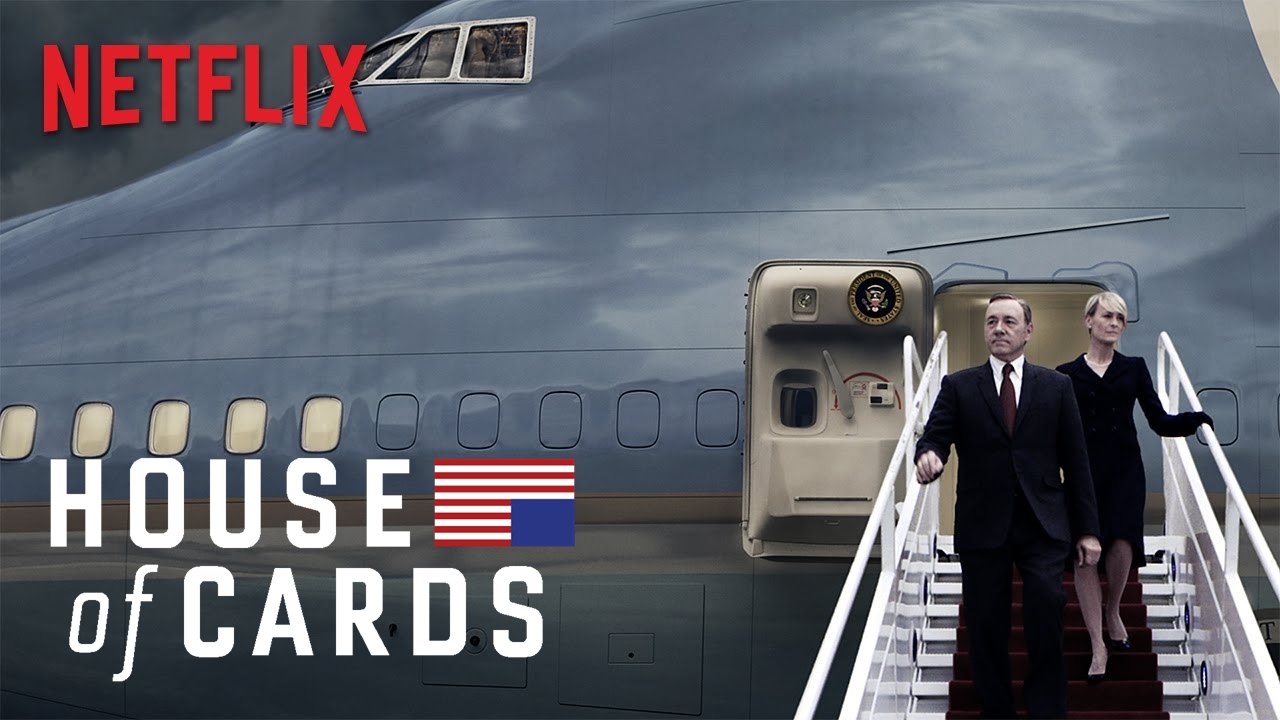
Tuesday, November 12, 2013

Homeland: Twist and Shout

As previously stated, Homeland has a few problems. One of which, The Brody Problem, I briefly explored in a previous post. Below I'm going to detail yet another issue I have with the current season of Homeland. For the record, this all comes out of a place of love and admiration. SPOILERS to follow.


Season three's big reveal may have been the cheapest thrill this side of a drawer full of positive pregnancy tests. In real time, here's how I felt about the "twist" that Saul and Carrie intentionally had Carrie committed to a mental institution: relief that Saul wasn't actually throwing Carrie under the bus, annoyed that my emotions for the past three episodes were so blatantly manipulated, critical of the moments we saw Carrie alone, skeptical of the actual timeline, and confused as to why that twist was even necessary. It was clearly a twist for the sake of a twist and it was a poor one at that. It cheapened nearly everything that happened before. The main problem is that Homeland has never used Carrie like this. The only time we knew something Carrie didn't know was in regards to Brody and that reveal was a slow burn that drove the entire first season. Its very nature was entirely different. From the get go, we went into the first season wondering about Brody as we studied his circumstances and tried making sense of his behavior. With Carrie in the mental institution, there was no inherent suspicion that what we were seeing was anything but genuine. It wasn't a fun speculation game in which moments were picked apart and theories formulated. We took this season at face value because we had no reason not to. When the twist happened it actually felt more like a betrayal than a thrill. In the moment my reaction went something like, "Oh, interesting! ...wait, what?" And honestly, thats a disappointing anti-climactic reaction to a show that used to have me holding my breath in suspenseful anticipation.

I simply don't understand why any of Carrie and Saul's plot had to be kept secret from the audience. I actually think if we were in on it the whole time, it would have been a fantastic storyline. We didn't necessarily need every detail, but just enough to keep us aware that something was afoot. Imagine seeing Carrie allow herself to be committed and drugged and subdued and terrified in that hospital knowing all along that she willingly put herself there. Imagine how much richer Claire Danes' acting would have read as she watched Saul's committee hearing on national television. Imagine seeing her break down alone in a hospital bathroom, and not because she's personally struggling with mental illness, but because she's sacrificed every single part of herself to the CIA including her mental illness. We could have had three fantastic episodes rather than one anticlimactic moment of a cheap twist being revealed.

I just keep thinking back to Carrie's slurred, pathetic, heartbreaking, "Fuck you, Saul" and how sorry I felt for her in that moment. And then how angry I felt about that very same moment after the twist set in. That could have been such an incredible scene if the writers simply chose to let the audience in on the plan. Carrie's "fuck you" would have been sad but for entirely different reasons. We would be worried she'd gotten in over her head. Knowing she willingly put herself in that situation--that she's drugged and slurring her words, that she's pissed at Saul for even asking this of her all while looking so pathetic that Saul is compelled to embrace her--is such an incredible moment that we were essentially robbed of for the sake of a twisty plot. Because the show was busy playing a trick on its audience rather than telling a layered story with nuanced character work. Yes you can go back and rewatch the scene and still feel some sense of that, but really the whole moment has been cheapened. It's not going to be nearly as strong as if we knew all this the first time around. You don't get a second chance at making a first impression. And just because you call something a "twist"--and imply that if you go back and rewatch the episodes, your experience will be enriched--simply doesn't make it so. Thats not how a successful twist works.

That being said, all of this was only a third of the current season. We've quickly moved past it and entered into some very interesting storytelling on Homeland. (So quickly that I suspect the writers realize they made a dumb decision). I'm enjoying where we are at this moment and what the show is trying to say about clandestine strategy, national security, and the sacrifices agents make for intelligence. Obviously there are other problems I'm trying not to get into at the moment*, but compared to the cheap twist a few weeks ago, these drawbacks pale in comparison.

Through all this mess, the remainder of this season is still compelling. The acting is superb, the characters are interesting, and this show was at one time pretty awesome. I believe it has some awesome left in it. But perhaps I'm in just as much denial as Carrie. Maybe I have a drawer filling up with evidence to the contrary. And maybe I'm refusing to accept the truth just yet. But I can't help but think if I give it some time, if I check back in again tomorrow, I'll finally get the results I want.


*Like the pregnancy...which...seriously? We're supposed to believe that Carrie was committed to a HOSPITAL without them discovering she's pregnant?! And if it's Brody's she would be showing by now. If not, then why would Carrie even hesitate to do something about it? This bitch is on lithium! That can't be good for a fetus!
*And Senator Lockhart? More like Senator Blowhardt.

Homeland: The Brody Problem

[My apologies for the four month hiatus. I'm not exactly sure how updating got away from me as I was definitely still watching plenty of television and forming all sorts of opinions. I actually drafted a few posts, but never got around to finalizing them. I felt like they weren't good enough and the longer I hesitated the less timely the posts became. And it ultimately kept me from writing. So in the future I'm going to have to let perfectionism slide just a tad. Otherwise I'll never get around to posting anything.

But until then, I have here for you Part I of a post concerning the current season of Homeland. Beware, SPOILERS abound.]


Homeland has a Brody problem. Actually, Homeland has a few problems, but I'm going to start with the Brody problem. Because for some reason the show can't get away from him. The first season of Homeland is amazing television. One of the best seasons of anything I've ever seen. Watching it live week-to-week and having no idea where it was headed or who Nicholas Brody really was elevated the show to an incredibly suspenseful level that it will likely never achieve again. At the time I believed--and still believe--that the first season of Homeland should have been its only season. Clearly that didn't happen. Either way I still can't help but think that the first season should have ended with Brody successfully detonating a bomb. Because not only would it have been an explosive ending of an incredible season of television, but Homeland wouldn't be tempted to constantly bring everything back to Sergeant Nicholas Brody.

Yes keeping Brody alive led to some pretty great episodes in the second season. The Emmy award winning episode "Q&A" in particular was a GREAT episode (all caps, which is greater than great). But was that episode, and the few quality ones before it, worth keeping Brody alive for? Perhaps. I still think the potential strength of an alternate season one finale far outweighs the actual suspense of the early second season. Regardless, the second season, as implausible as it was, exists and played out as it did. And while I took issue with many things, I didn't hate the season by any means. Mostly because the first half was so strong. But when quality notably took a turn midway through I quickly realized what the problem was: Brody had overstayed his welcome. Don't get me wrong, I think Brody is a fantastic character, but the show was doing cartwheels trying to top itself while keep him involved with the story and involved with Carrie. So when the second season ended with Brody sneaking out of the country, I was ready to say goodbye to the character. And I was left hoping the show would refocus and re-inject some much needed Washington intrigue into its next season. To get back to basics. To reign it in and tone it down a little. To pace itself...

But nope. Brody still looms large. We are getting plotlines involving the family he left behind. Which, for the record, I don't hate. They're just given way too much importance and story time. I actually think there's something intriguing about the Brody family in the wake of last season (minus Dana's stupid and completely pointless boyfriend, of course), but spending too much time with them has led to some wheel-spinning and really pointless plot points (unless Leo turns out to be Majid Javadi's gay lover or something). The only Brody family story that really worked for me this season was Dana changing her name and Jessica's tearful goodbye. Other than that this was all some over the top orchestration to get Jessica and Carrie face-to-face for the flashest of flashes which led to The Yoga Play which led to Saul accusing Carrie of putting the whole operation in jeopardy which we ultimately find out she didn't (by "ultimately" I mean we found out five minutes later), so really the whole thing was cheap and completely pointless.

The Brody family aside we also got an entire episode checking in on Brody himself. It opens when he arrives in Caracas riddled with bullets and ends with him strung out on heroin. Which was not only overkill but one of the most ridiculous things on a show chock full of ridiculous things. So the writers expect us to accept that in the stretch of this series (AKA within 27 episodes AKA a little over one season of network television) Brody goes from returned POW with PTSD, to a Muslim terrorist, to a Congressman, to a viable candidate for Vice President, to a double agent, to an assassin, to a framed terrorist, to a fugitive, to an imprisoned heroin addict in Venezuela?!!? Are you fucking kidding me. I'm not asking. Because seriously, you have got to be fucking kidding me. It's in these moments of realization that I can't help but think back to what this show was in its first season. To how GOOD it was (all caps, which is gooder than good) mostly because Brody was such a compelling enigma. Now he's a parody, an almost fan-fictionlized version of himself. Remember when all it took to get an intense moment was Carrie offering Brody his favorite tea? Now the guy is shooting himself up with heroin. How did we get here? Why did we get here? It's so unnecessary and over the top I'm getting steamed just thinking about it.

Caracas aside, we're still getting some decent storytelling out of the Brody well, but nothing that warrants physically keeping him around or hijacking the plot for. This season has its own story going on that only vaguely involves Brody's name being mentioned. But of course the latest episode, which made great strides in moving this season's plot forward, couldn't help but bring Brody back into the picture. I appreciate the show for trying to tie everything together. And I have to admit I leaned in a little closer to the television when Carrie and Javadi were discussing the bomb in Brody's car. Admittedly there's some intrigue there, but that has less to do with Brody and more to do with the terrorist attack driving this current season (and Carrie's emotional stake in it all). But come on. We all know where this is headed. It's as if the writers are strong-arming the story and steering it back towards Brody. Everything on this show seems to orbit around him. We were on the dark side of the moon there for a second, but never fear, I see Brody's freshly shaved melon looming over the horizon. It's as if the show doesn't know how to exist without Brody. As if Brody is the bottom of the pool and the writers are toeing it, terrified of wandering too far into the deep end. As if this show has no other identity or capability to be anything different. If Brody can be a half-dozen things in a dozen episodes, I think Homeland can be a show without Brody looming so large. But maybe I'm expecting too much from this show. I would half expect the writers to stow Brody away, keep him off-screen and keep his name unmentioned for as long as possible before letting a figurative (or literal) bomb drop. But thats assuming Homeland knows how a successful twist works. Which, for the record, it doesn't.


Thursday, July 25, 2013

New Favorite: Orange is the New Black


Netflix's newest series, Orange is the New Black, premiered on July 11th and by now I'm sure you've heard all about it. Maybe it's the people I pay attention to and the blogs I read, but I've been hearing about the series from nearly everyone. Whether it's special blog posts, or friends, or celebrities' tweets, or even Jake Fogelnest on my satellite radio mentioning his love of the show before cuing up its theme song (Regina Spektor's, "You've Got Time"), I can't get away from it. Not that I mind.

I started watching the series about five days after it was released and thank goodness I was sick at the time because I couldn't tear myself away. I was hooked. I watch a lot of television. And I love a lot of shows. But few manage to creep into my heart and consciousness as effectively as Orange did. And aside from the topnotch quality of the show, it was some of the little details that really kept me going. Like episodes directed by Jodie Foster and Andrew McCarthy, or fun little American Pie references made by Jason Bigg's character, Larry.

But I'm getting ahead of myself...

Anybody who has been paying attention knows that Netflix has been producing its own original series for about a year now. And I have to say that Orange is probably my favorite. I enjoyed House of Cards and wholly admired its incredible acting, directing, and general cinematic craftsmanship (all for which it was duly recognized at the Emmy's), but I found aspects of its writing majorly lacking. And everyone who knows me knows how much I love Arrested Development and how quickly I devoured its fourth season, but I had issues with the newest installment's structure. (Note: I realize there are other series as well, but those are the two I've recently reviewed).

Orange is the New Black, however, satisfied me on every level. And really the only thing I could criticize is its stupid title (which it shares with the memoir on which it's based, so I can't fault it too much). Nothing about the show felt bloated or superfluous. It felt consistent, tightly structured, and smartly plotted. And above all else it tells some fantastic stories. Created by Jenji Kohan, the creator of Weeds, the show has a similar absurdist humor to its Showtime predecessor, but it also manages to be dramatic and poignant in a way Weeds never really was. The show's protagonist, Piper Chapman (Taylor Schilling), is incredibly flawed -- she's narcissistic and always managing to piss off the wrong people -- but also sympathetic and relatable. Piper believed she was living her life "right" in her thirties and doing what was expected, but she's been sent to prison because in her twenties she naively conspired in some light drug smuggling (technically she only moved cash, and not drugs, but the damage was done). We encounter the prison world along with our protagonist. We learn its norms and power dynamics through the eyes of Piper, someone who committed a crime out of a youthful sense of adventure and for the love of her drug smuggling girlfriend, Alex Vause (Laure Prepon). So we meet the other inmates along with Piper and share in her feelings of fear and intimidation as she awkwardly navigates this new world. And together we encounter some of the most random and silly things one would ever hope to find in a correctional facility. The season takes an episode or two to properly establish its world and characters, but once everything is set up the show really takes off.

For only thirteen episodes, a lot of rich storytelling happens on Orange. The show utilizes Lost-like flashbacks to explore the backgrounds of various inmates. And like on Lost, this absolutely enriches the show and its cast of characters. It also lends itself to the show's heart as we now have a fuller understanding of who these women are, what went wrong in their lives, and where their sense of redemption is rooted. And once these women take form, we see that they are just as flawed and complex as Piper. And adding to that heart is the prisoners' sly camaraderie. Yes there are fights and breakups, misunderstandings and blatant cruelty, but through all of that, these women also know how to be kind to one another -- as demonstrated by various moments throughout the series.


The inmates segregate themselves by race. And if this were some other type of show I would half expect Piper to unite and blend the colors á la Sillyville. But Piper is no Sillywhim and that in no way happens. The white blonde woman isn't there to save anyone or to enlighten or educate the poor ignorant prison folk. Instead Piper keeps her head down and handles one reality check after the next as she struggles with finding her place within prison society. There are power dynamics already in play and Piper is just trying to keep her head above water.

We also learn quickly that none of these characters are purely good or bad. Yes they're all criminals so they all have a dark past and are processing lots of guilt and loss. But that's an unsaid commonality that manages to even the playing field. They're presented as not any better or worse than their correctional officers. Things get heavy on this show, but instead of everyone hashing out their emotional baggage, these women bring about an incredible sense of humor and lightness. (Which, according to an actual inmate, seems to more accurately portray prison-life than the gritty portrayals like Oz). We regularly see affective cracks in façades while certain character reveals are genuinely surprising (like Crazy Eyes' family). And the show is all the better for it. Through Piper's eyes we realize this is a prison full of sour patch kids: first they're sour...then they're sweet. And it leaves my heart just as gooey.

The show demonstrates a similarly deft hand at addressing things like race, class, gender, sexuality, and religion. I for one absolutely admire how the show presents the fluidity of female sexuality and even gender. Things that other shows struggle with portraying accurately, things they may ignore completely or use to stem conflict, are simply presented here without much fanfare. And it's incredibly refreshing. For example, the transexual character of Sophia (played by transexual actress Laverne Cox) for whom we get a backstory, but who also feels like an actual person with her own sets of values and troubles. She's more than a token trans character.

I also very much appreciate being presented with such a diverse cast of women. No other show has this large a cast of females let alone ones that are this richly drawn. And to put them in a prison in dull, ill-fitting outfits? That's nearly unheard of! (But by this point we should all know I'm all about girl power so I'll try not to gush too hard about womanhood).

I watch a lot of television. I binge watch just as much as I watch week-to-week. And there's much of it that I admire on both the technical side and creative side. But very few shows stick with me like Orange has. I'm not exactly sure when it hit me, but I finished the season on Sunday and it still hasn't left my system. There's something about it I can't quite shake and I'm not quite sure what it is. So I implore you all to watch it and figure it out with me. You'll surely thank me later.

I mean, the most zen character, Yoga Jones, is played by the voice of Patti Mayonnaise. If that doesn't get you to watch this show, I don't know what will.

Tuesday, July 23, 2013

In Which I Weigh In On The Sex and the City

Yesterday Emily Nussbaum, The New Yorker's television critic, shared her most recent critique with the twitterverse, sparking much debate, dialogue, and discussion. Nussbaum bravely addressed the struggling legacy of a still relevant HBO series: Sex and the City. I say "bravely" because in the world of television criticism, SATC's "legacy" hasn't aged very well. Actually, it is a regularly divisive topic among not only critics, but audiences as well. For example, Vulture's Sitcom Showdown pitted SATC against the very recently departed and beloved 30 Rock and ultimately gave the win to SATC. The comments exploded in so much ire and shock that Vulture actually compiled the best (AKA most disappointed and angriest) reader comments and devoted a whole other post just to that. Because it was one thing for 30 Rock to lose in the first round. But for it to lose to Sex and the City (!?!?!) was absurd. (The fact that the winner would then have to face off--and surely lose--against Seinfeld seemed irrelevant at the time). Similarly, when Nussbaum linked to her SATC piece yesterday, much twitter debate followed. And eventually other writers weighed in with their own think pieces. [1][2][3] Because how could Sex and the City even compare to quality shows like The Sopranos? How could we compare Carrie to Walter White? How is SATC any more groundbreaking than The Mary Tyler Moore Show or Golden Girls or Six Feet Under? Is Sex and the City even that feminist of a show?

I for one completely understand the divisiveness surrounding Sex and the City. Even my own opinion on the show is at odds with itself, which you will see if you continue reading.

I've seen every single episode of Sex and the City, but I was never a die hard fan. It was funny and entertaining, but I never admired it or looked up to it. I never took cues about how I should dress or act or what my drink order should be. But then again, I was also never a girl who loved romantic comedies, which SATC arguably is (don't get me wrong, there are great romantic comedies but in general I'm not much of a romantic). So I always realized this show wasn't necessarily for me. I don't really enjoy sitting around talking about my relationships. I don't use conversations about sex to relate to other people. Not that there's anything wrong with that type of person. Some of my closest friends are that way. Even my sister. And they love SATC. To be honest, I was always under the impression that most women are that way and that most women love SATC. They sit around at brunch and talk about their relationships just like the SATC quartet. And not always in an emulating way, but in a realistic way--because that happens to be an actual thing many women do. I'm female. I've been there. I've seen it. Its how some people relate to the world. Whereas I use conversations about TV (duh), films and books--and others use politics or music or sports or comedy--some women use conversations about their love lives to connect with others. What SATC did was validate those conversations in an unprecedented way. Even though I never really related to it too intensely, I always recognized what it meant to the people that did relate. Ultimately thats the root of SATC's legacy.

So to everyone calling SATC out for its faux feminism, lets just ease up a tiny bit. I'm not necesarrily defending the show, but SATC wasn't made for people like me and it wasn't made to be picked apart. It wasn't made in the day of weekly recaps and blogs about television. Or when there was a buttload of top quality programming being produced. Yes, there are much more feminist shows. Shows that are actually grounded. That have flawed heroines and a wider range of female "types". Shows that actually have a lot to say about femininity. Like Girls, Orange is the New Black, and Enlightened.

But that's not really fair to SATC. Because SATC was made in a different time for a different type of audience. It was approachable and oftentimes hilarious. And it was at one time a hugely groundbreaking show that has absolutely influenced today's television landscape. Its values have not held up well. And its schmaltzy voiceovers sure as hell haven't. But what it means to women still has. Otherwise there wouldn't be a freaking prequel on air (Carrie Diaries) nor would other shows explicitly reference its influence on today's women (see Shoshanna on Girls or Maggie's meltdown on The Newsroom). In some ways SATC ushered in a new type of female. And that is exactly why it has touches of feminism. As Nussbaum explains:
"Most unusually, the characters themselves were symbolic. As I’ve written elsewhere—and argued, often drunkenly, at cocktail parties—the four friends operated as near-allegorical figures, pegged to contemporary debates about women’s lives, mapped along three overlapping continuums. The first was emotional: Carrie and Charlotte were romantics; Miranda and Samantha were cynics. The second was ideological: Miranda and Carrie were second-wave feminists, who believed in egalitarianism; Charlotte and Samantha were third-wave feminists, focussed on exploiting the power of femininity, from opposing angles. The third concerned sex itself. At first, Miranda and Charlotte were prudes, while Samantha and Carrie were libertines. Unsettlingly, as the show progressed, Carrie began to glide toward caution, away from freedom, out of fear."
Now that's all well and good and there's absolute value in what SATC was trying to say about womanhood. But to me, a truly feminist show isn't a show just for woman. A truly feminist show also has male viewers and presents men and women as equally capable and equally flawed. A truly feminist show actually passes the Bechdel Test.

Yeah, I turn my nose up at Sex and the City as much as the next pretentious critic. But I still acknowledge the impact of the show. And the fact that these intense analyses and conversations continue to happen implies that SATC deserves a tad more scrutiny. And last spring, when SATC lost to 30 Rock (a show I much prefer and which is much more in line with my personal tastes, humor, and outlook), I sort of agreed with it. Because as much as I love 30 Rock and admire Tina Fey and her charming yet influential little show, I also value characterization, risks, story lines, emotional moments, and actual consequences. And while much of what I just listed isn't SATC's strongest suit, it goes for it. And its everything 30 Rock isn't. 30 Rock is pure humor and doesn't give a crap about development. So I hate to break it to the commenters, but Vulture got it right. Believe me, it pains me to say it because to me, SATC can be irritating.

Because to me, there's more to a woman than her relationships and her shoes. And don't get me started on Carrie's stupid little puns and thoughtful glances out the window in the smokey glow of a laptop screen (which is literally me at this very moment). I personally don't need to pick apart every aspect of mine or anyone else's romantic interactions (and don't really see why we need to). And I certainly don't need male attention to validate who I am. Because I already know who I am. Women love saying they're a Carrie, Samantha, Miranda, or Charlotte. But I know I'm none of them. I'm an entirely different kind of female New Yorker. I'm Liz Lemon.


(See? It's divisive.)